- Global DMC Network
- Our DMC Partners
- Preferred Destinations
-
Travel Inspiration
- Themed Travels
-
Highlight-Destinations Captured by Content Creators
- Armenia: Crossroads of Civilizations, Mountains, and Memory
- China: Ancient Wonders and Modern Marvels
- Czech Republic: Castles, Beer, and Bohemian Charm
- Greece: Myths, Sunsets, and Mediterranean Magic
- India: A Tapestry of Color, Culture, and Spice
- Italy: Art, Pasta, and La Dolce Vita
- Oman: Sands, Souks, and Serenity
- Scotland: Castles, Cliffs, and Celtic Charm
- FamTrip Blog
- Destination Bootcamps: Webinar Library
- DMC Country Portraits
- Work with the DMC Network
- Contact


- Global DMC Network
- Our DMC Partners
- Preferred Destinations
-
Travel Inspiration
- Themed Travels
-
Highlight-Destinations Captured by Content Creators
- Armenia: Crossroads of Civilizations, Mountains, and Memory
- China: Ancient Wonders and Modern Marvels
- Czech Republic: Castles, Beer, and Bohemian Charm
- Greece: Myths, Sunsets, and Mediterranean Magic
- India: A Tapestry of Color, Culture, and Spice
- Italy: Art, Pasta, and La Dolce Vita
- Oman: Sands, Souks, and Serenity
- Scotland: Castles, Cliffs, and Celtic Charm
- FamTrip Blog
- Destination Bootcamps: Webinar Library
- DMC Country Portraits
- Work with the DMC Network
- Contact
- Global DMC Network
- Our DMC Partners
- Preferred Destinations
-
Travel Inspiration
- Themed Travels
-
Highlight-Destinations Captured by Content Creators
- Armenia: Crossroads of Civilizations, Mountains, and Memory
- China: Ancient Wonders and Modern Marvels
- Czech Republic: Castles, Beer, and Bohemian Charm
- Greece: Myths, Sunsets, and Mediterranean Magic
- India: A Tapestry of Color, Culture, and Spice
- Italy: Art, Pasta, and La Dolce Vita
- Oman: Sands, Souks, and Serenity
- Scotland: Castles, Cliffs, and Celtic Charm
- FamTrip Blog
- Destination Bootcamps: Webinar Library
- DMC Country Portraits
- Work with the DMC Network
- Contact
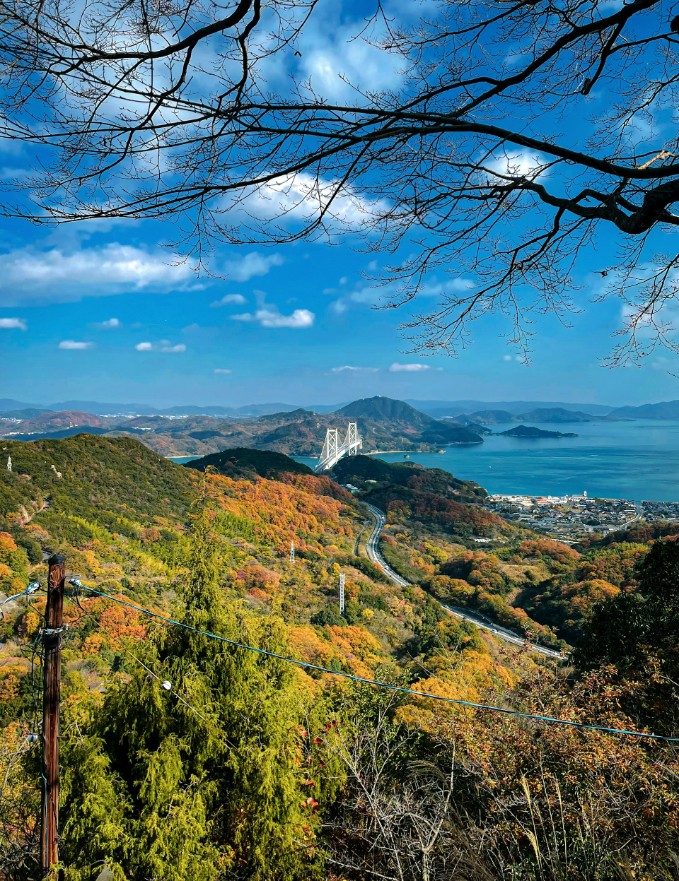
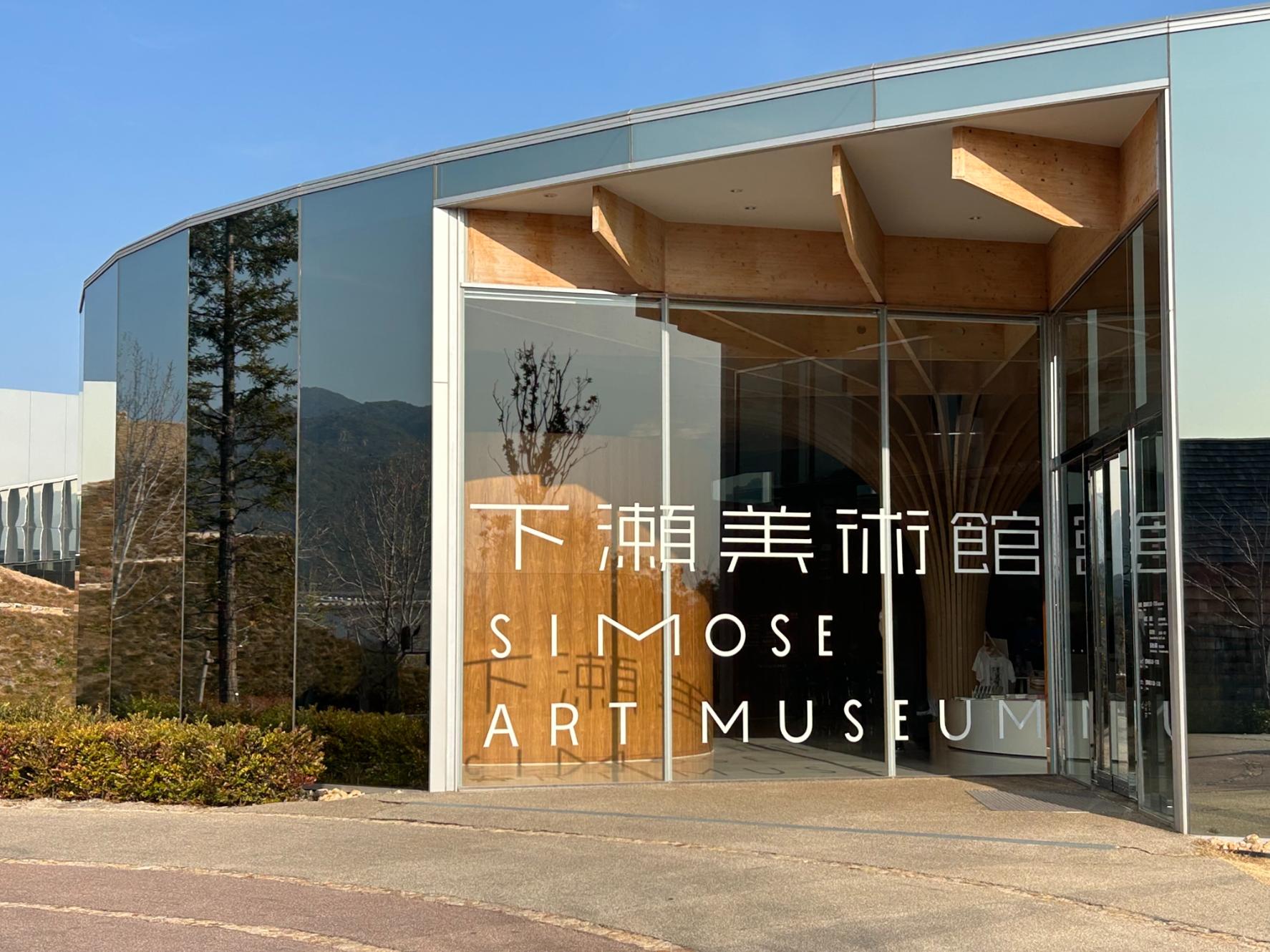
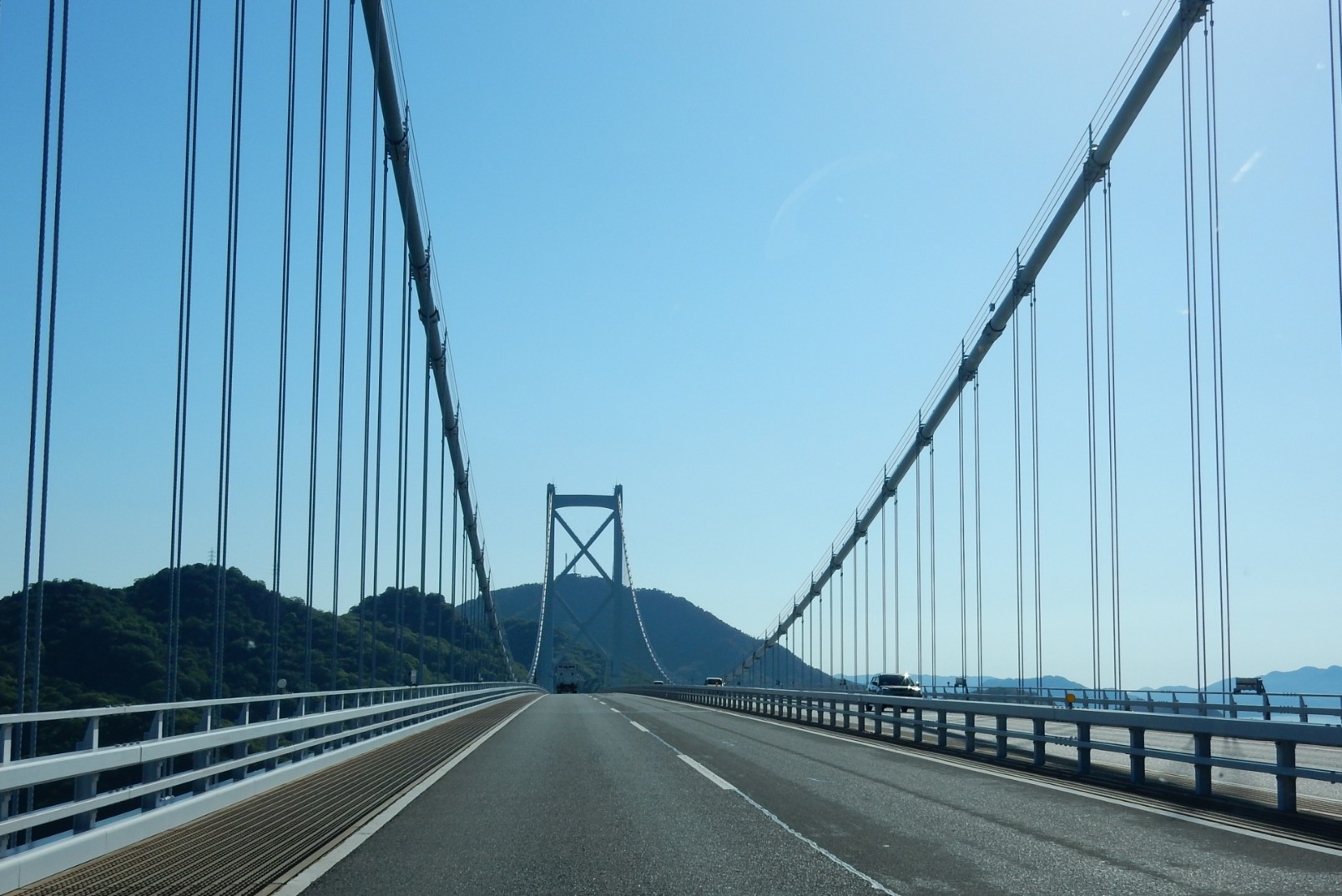
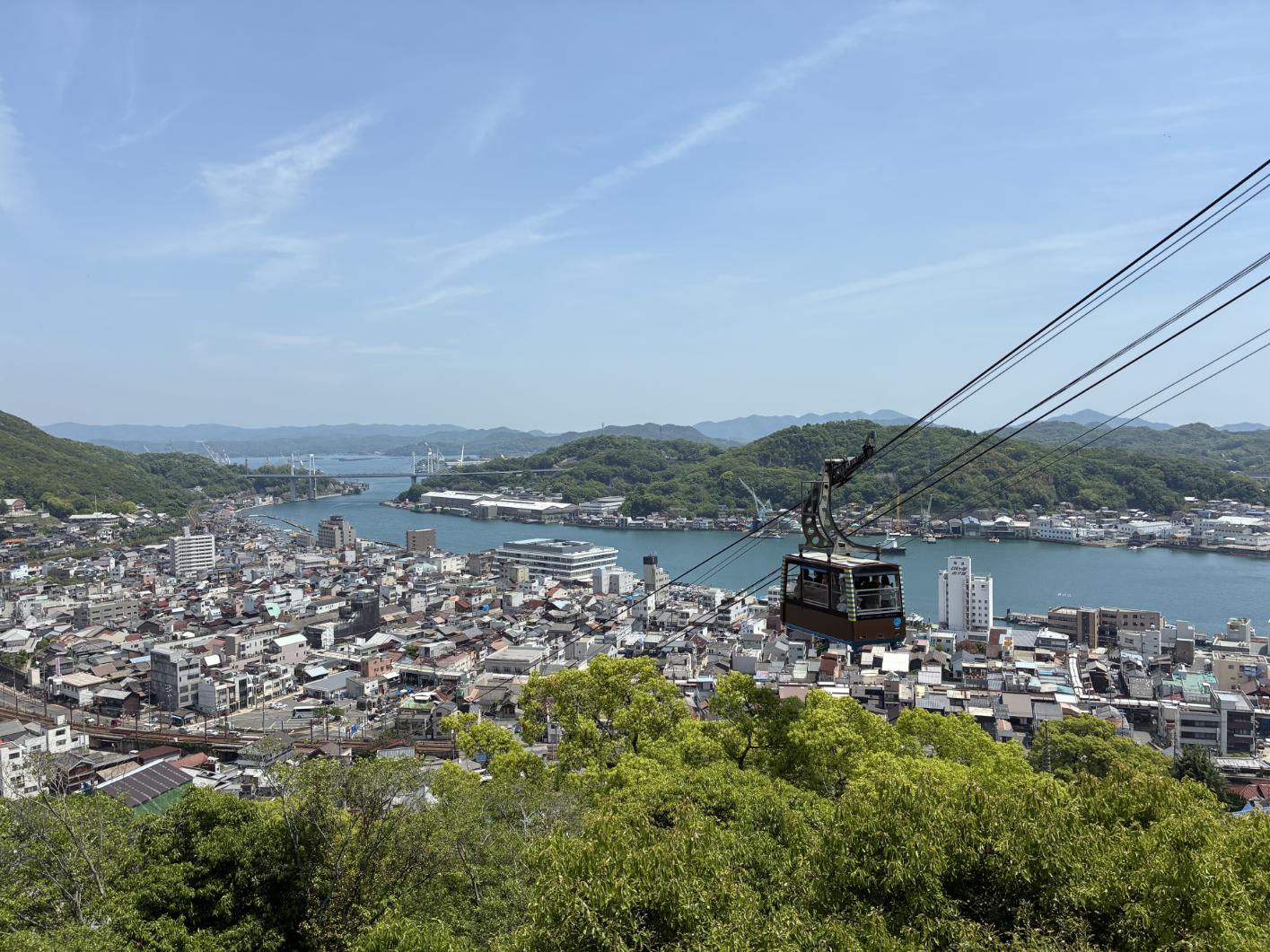
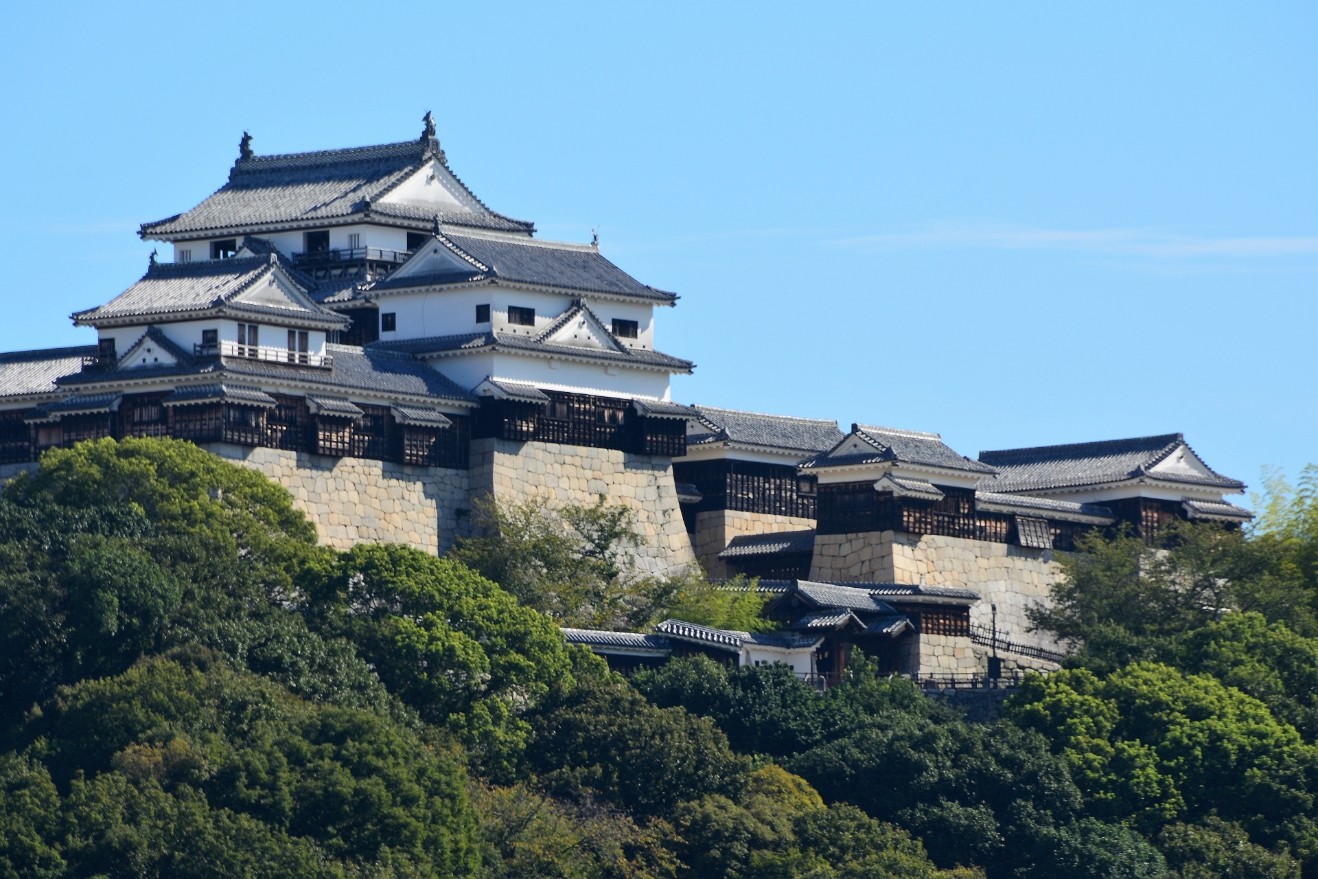
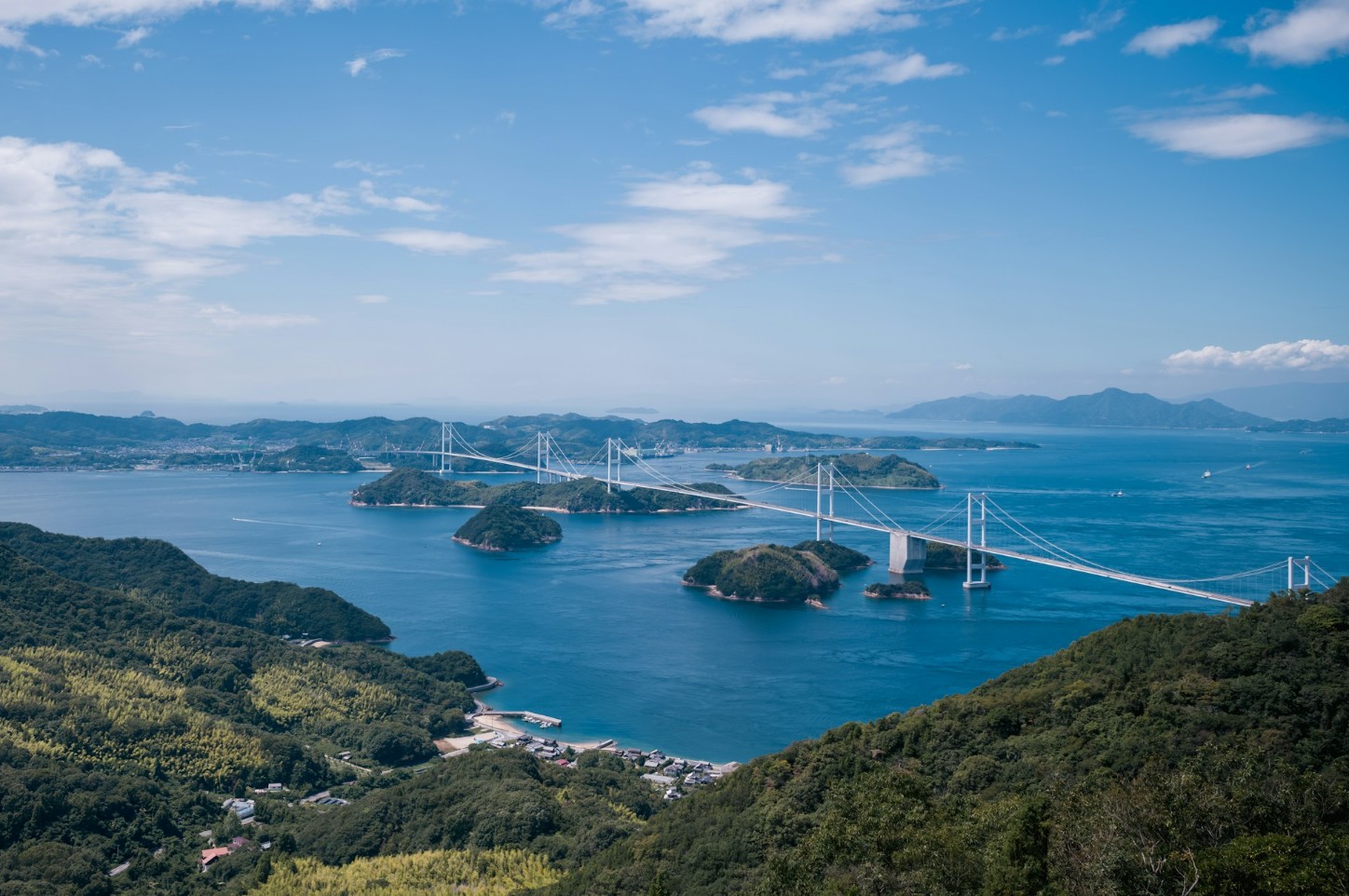
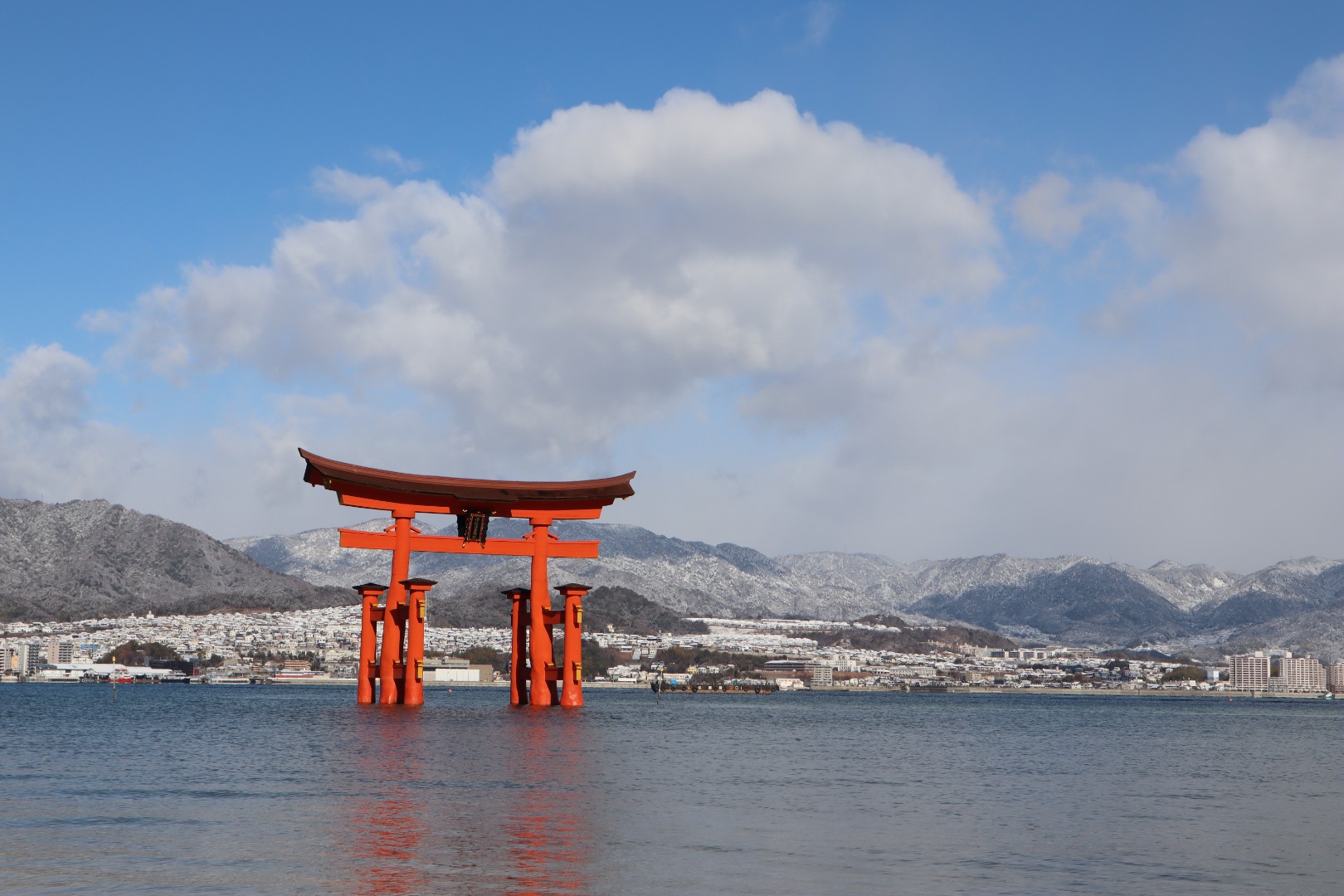
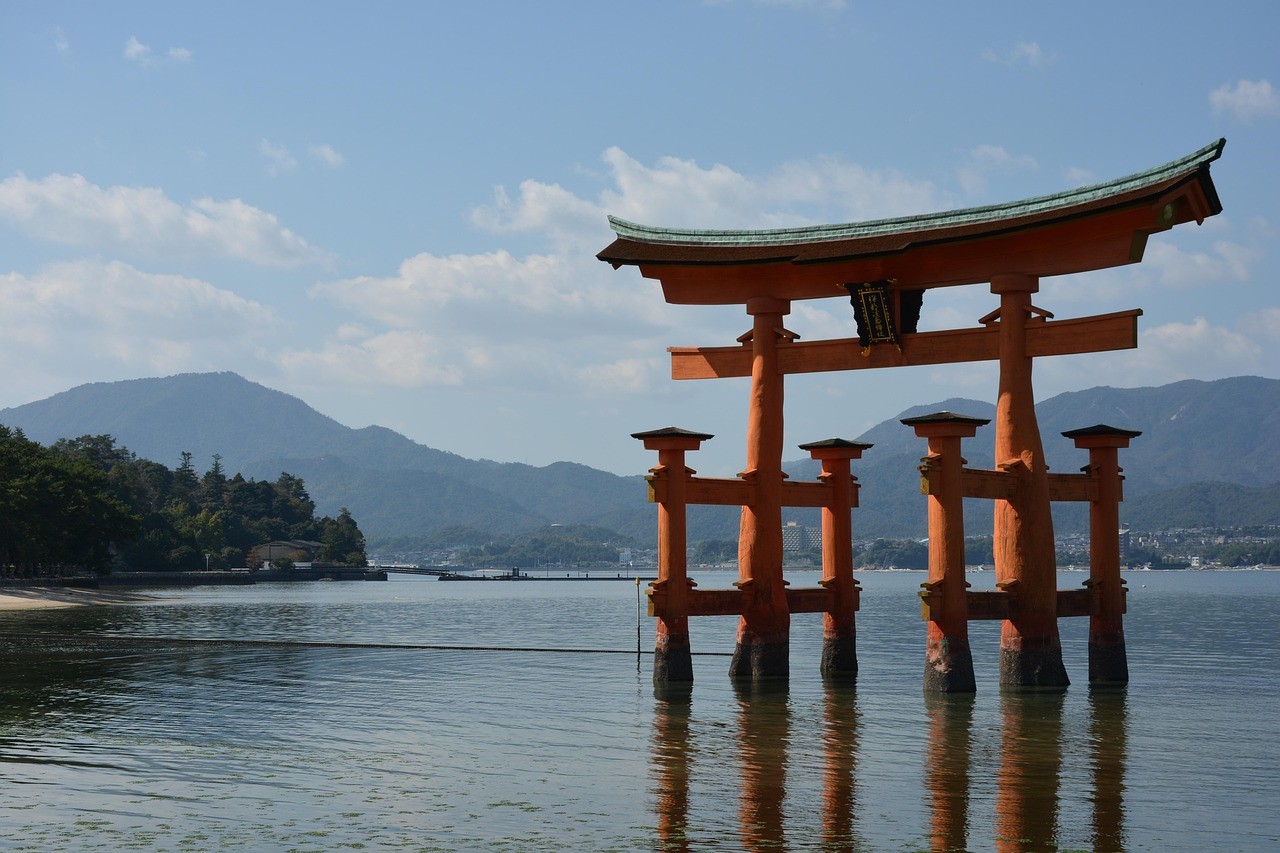
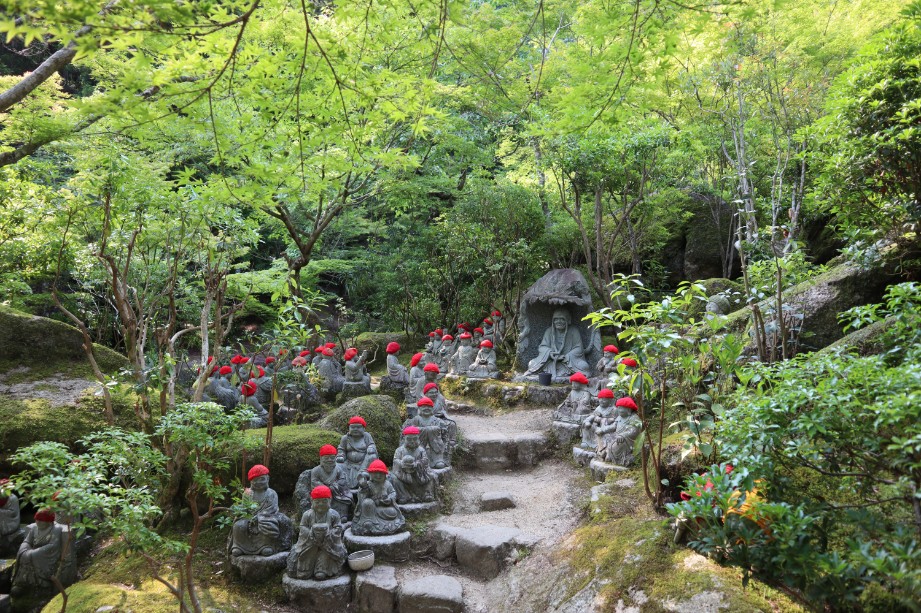
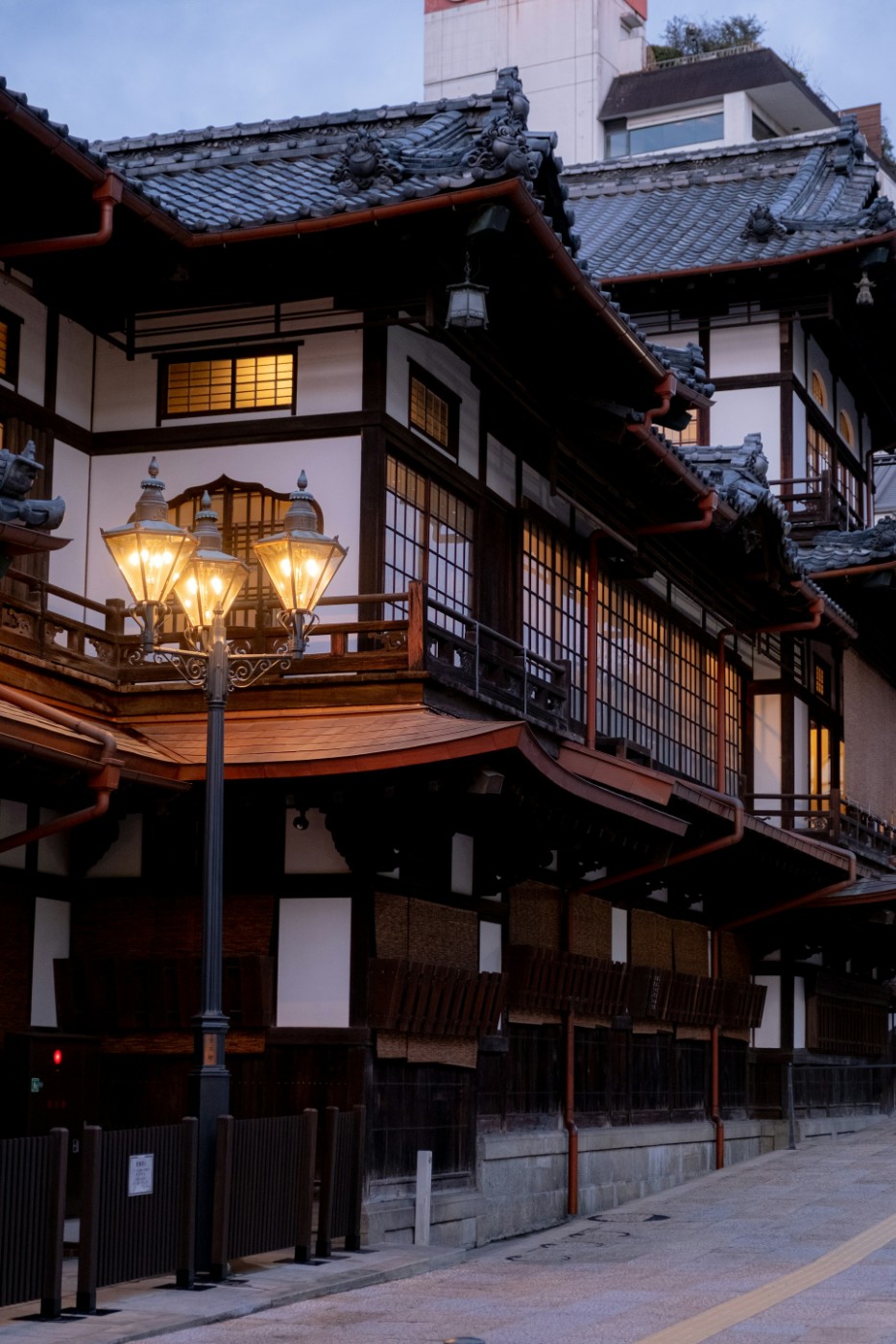
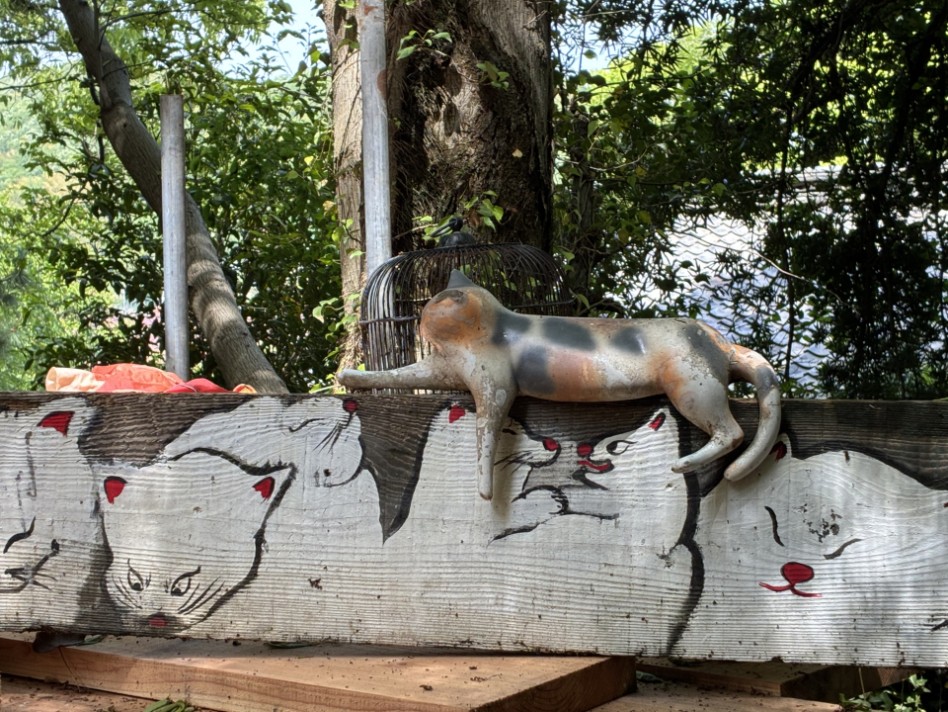
Setouchi Islands by Car & Bridge: Coastal Art & Island Hopping
#culture&heritagetours #honeymoons #newsletterspecial:self-drivetours #self-drivetours #theatre&arts
Ayabex
| 25. August 2026