

Barbados is 430 sqm, divided into twelve parishes with a varied landscape from coast to coast. As a coral island, it is primarily flat with white sandy beaches but reveals beautiful rolling hills on the east and majestic cliffs on the north coast for nature lovers and adventure seekers.
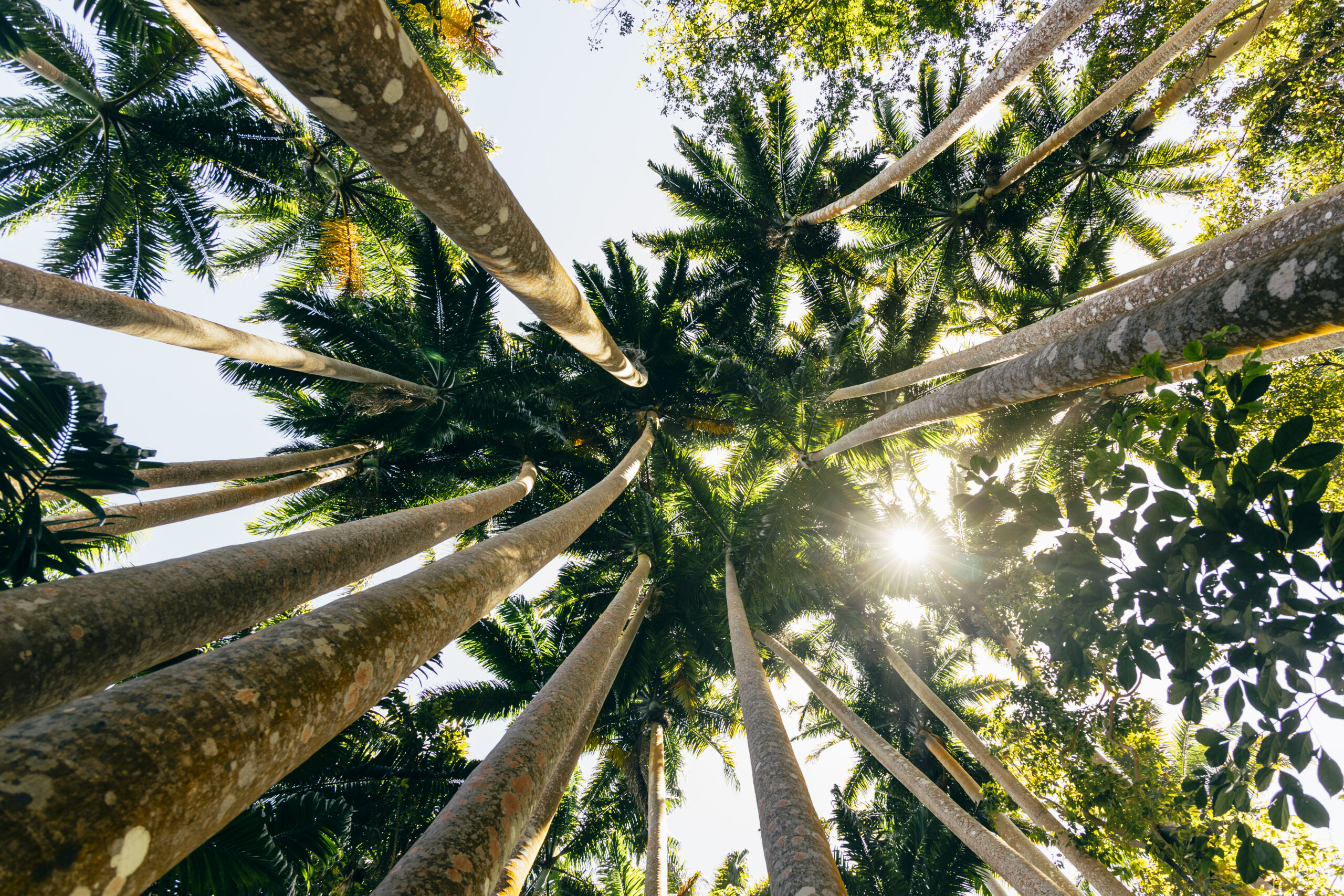
Located in the parish of St. Thomas, Welchman Hall Gully is a lush valley that stretches through the interior of the island. A wide variety of tropical and exotic plants grows between its steep sides, making the area one of the greenest landscapes on the island. Beneath the canopy of the sheltered valley, it is cooler and quieter, while the dense vegetation gives the landscape an almost secluded character. A walk through the gully showcases the richness of Barbados’ tropical flora while offering a glimpse of a lesser-known side of the island.
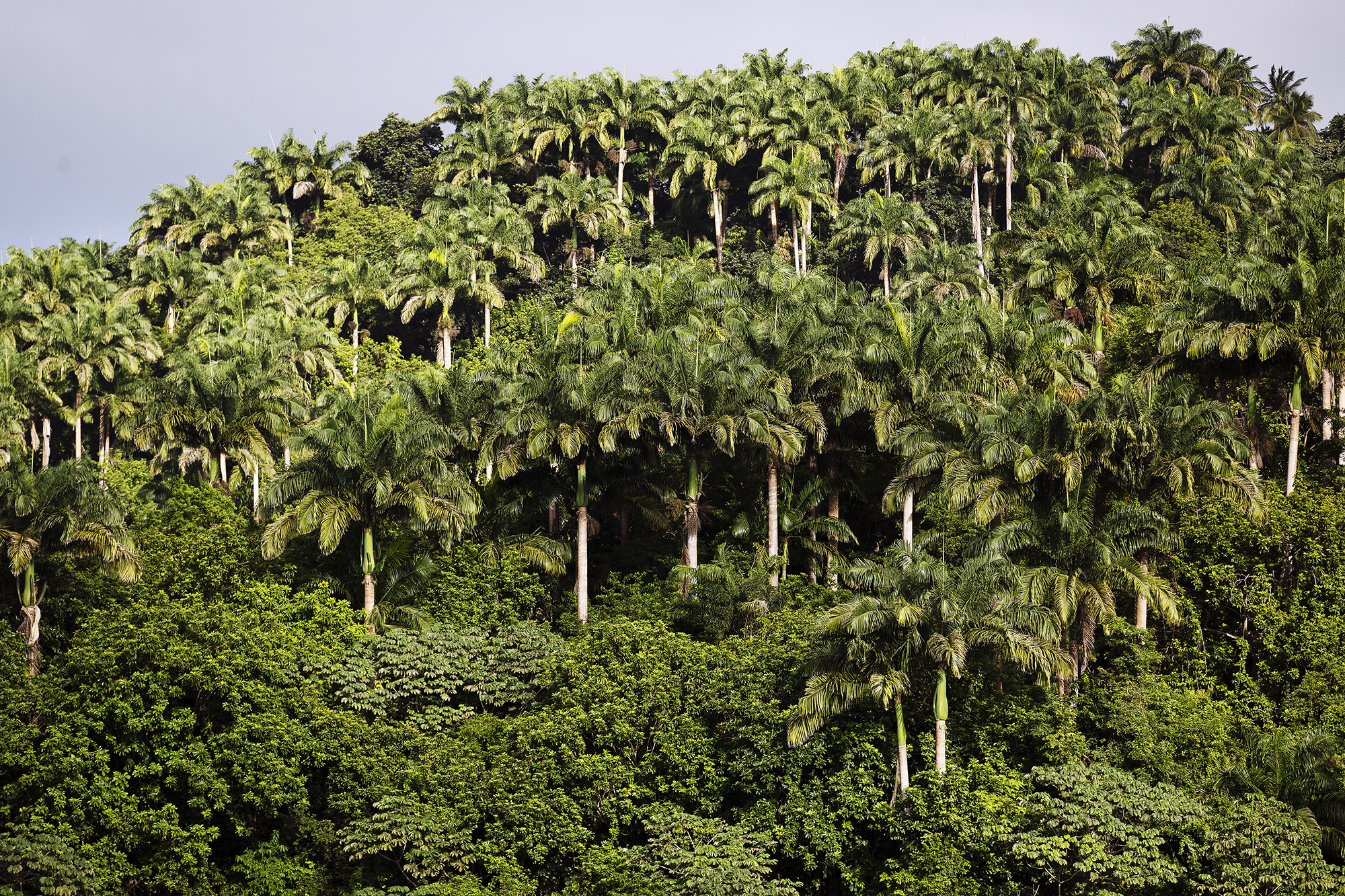
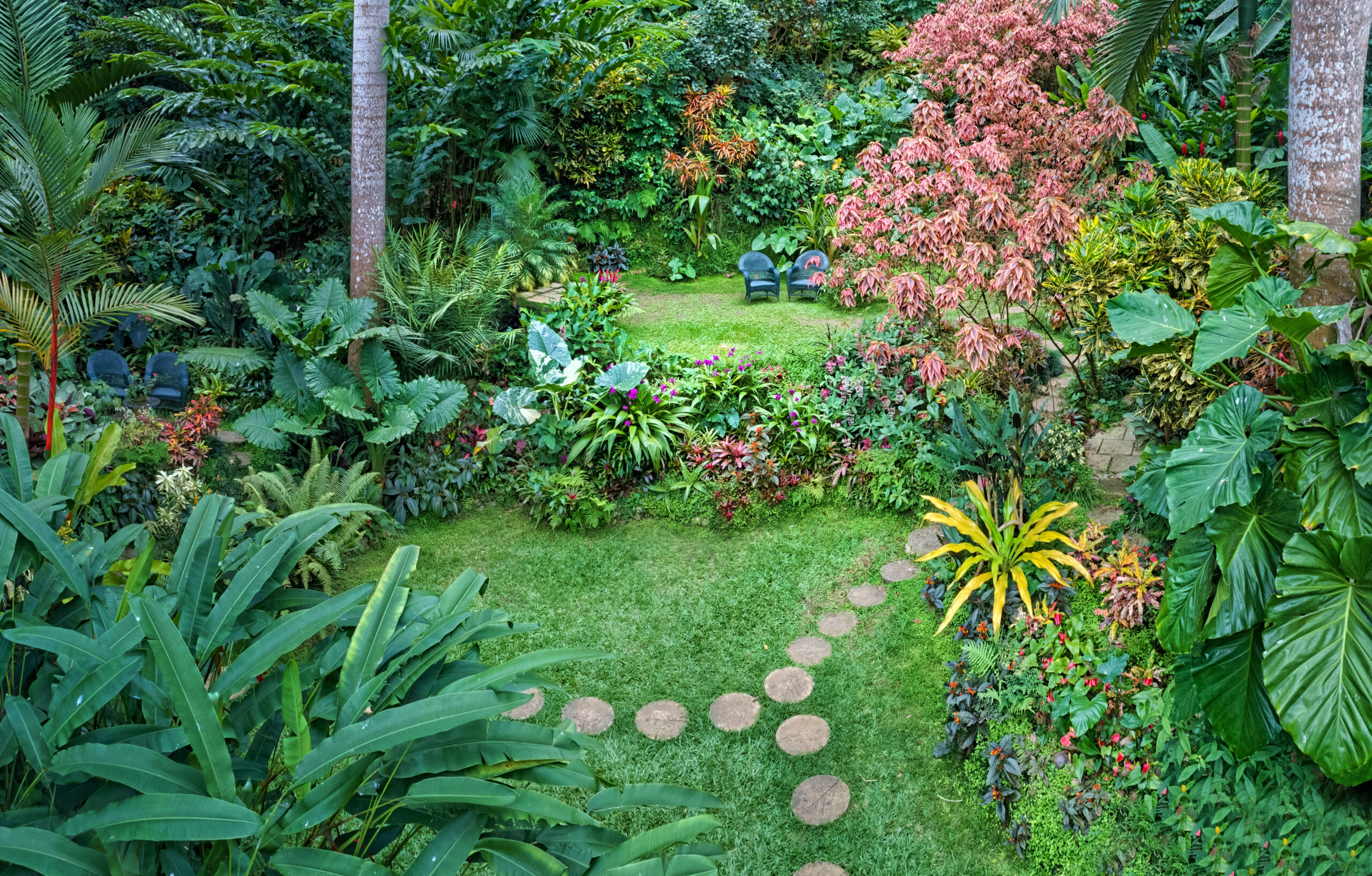
Hunte’s Gardens created by Anthony Hunte from a sinkhole is tucked away in the lush interior of St. Joseph. Hunte’s approach focused less on creating a formal, carefully structured garden and more on making use of the natural surroundings. The combination of the existing landscape and planted vegetation creates a setting where nature and horticulture seamlessly blend. The garden’s unusual location is an important part of its character. Paths wind through the tropical vegetation, passing trees, plants and different sections of the garden. When standing at the lowest point and looking up, visitors can see palm trees reaching heights of up to 30 meters.
Also located in St. Joseph parish are the Andromeda Botanic Gardens. The gardens were established in 1954 by Iris Bannochie and her then husband, Dr Harry Bayley, who lived on the property. What began as a private garden developed over the following decades into an extensive botanical collection.
The gardens are situated near Bathsheba, where the lush landscape and Atlantic coastline provide the backdrop. A wide range of tropical and exotic plant species grows throughout the different sections of the gardens. Andromeda therefore not only showcases the botanical richness of Barbados but also reflects the history of plant collecting and horticulture on the island.
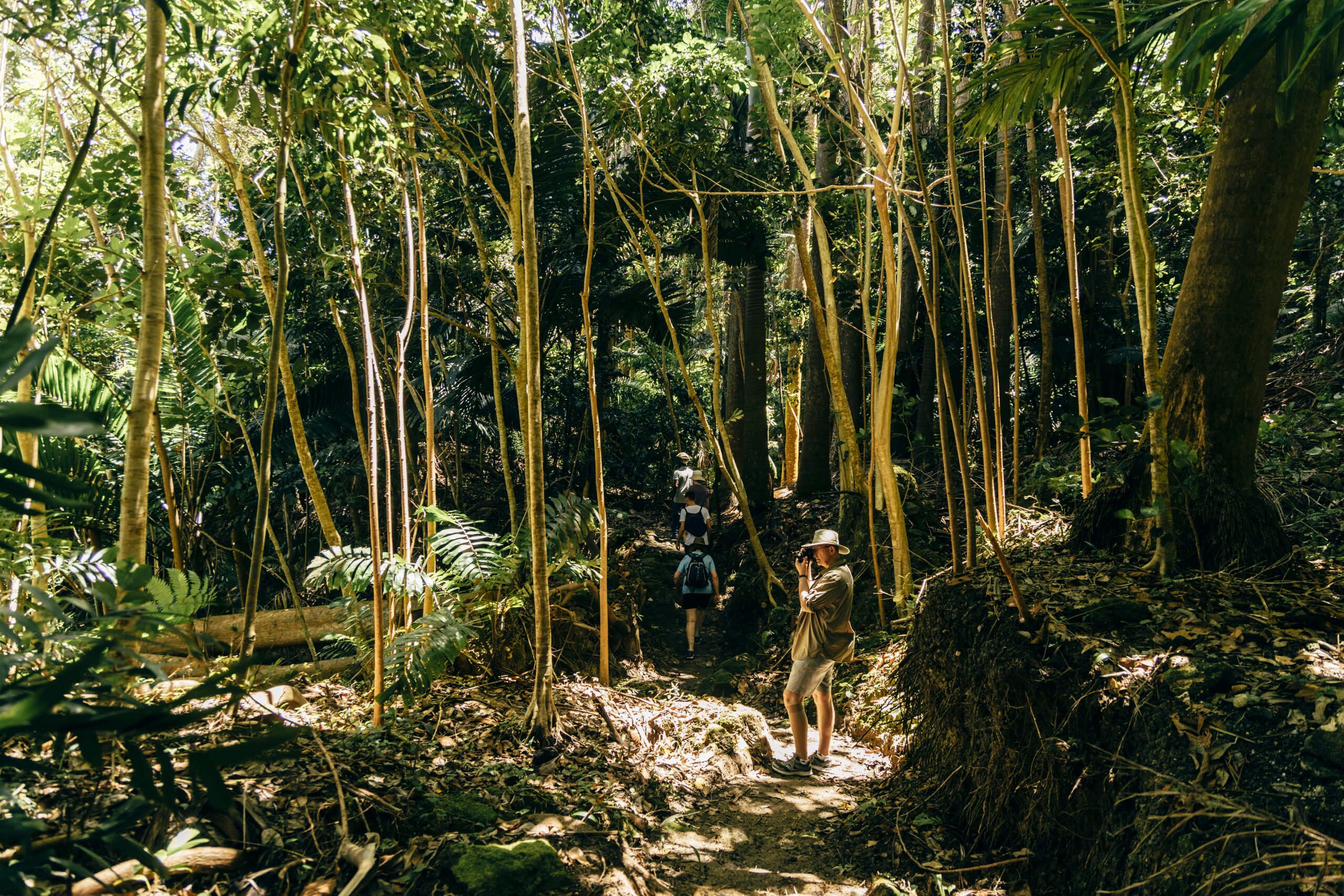
At the nearby Coco Hill Forest visitors can enjoy beautiful walks or hikes while discovering the natural beauty and biodiversity of the island. At Coco Hill Forest visitors can plant a tree and contribute to the preservation of the island’s natural environment.
On the rugged, east coast of St. Joseph lies Bathsheba, a coastal village where the Atlantic Ocean clearly defines the character of the landscape. Large rock formations and powerful surf dominate the scenery. Bathsheba is a well-known surfing destination and attracts visitors primarily for its waves and dramatic landscape. The area around the village is home to fishing communities, guesthouses, rum shops and restaurants.
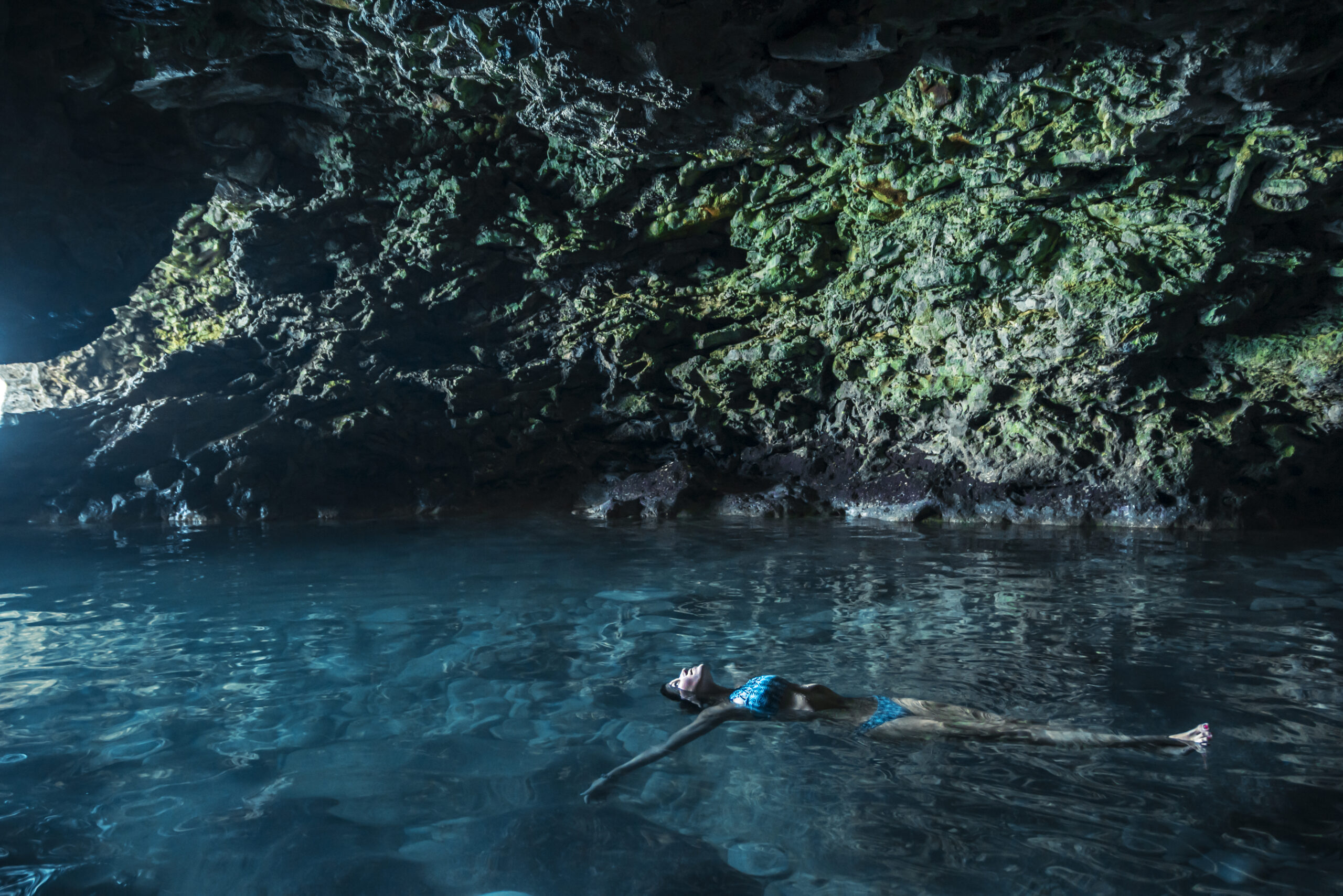
At the northernmost tip of Barbados, in St. Lucy parish, lies Animal Flower Cave. The sea cave is located at the foot of the cliffs, directly on the Atlantic Ocean. The cave was formed by the continuous action of the sea on the limestone rock. Natural rock pools inside the cave are home to sea anemones, which gave the cave its name. The surrounding cliffs and the ocean demonstrate just how strongly the coastline of Barbados has been shaped by the sea.
Walkers Reserve located in St. Andrew is a nature reserve where landscape restoration and sustainable land use are at the heart of its work. The reserve grew out of the question of how agricultural land and natural resources could be managed in a different way. The site is dedicated to restoring nature and increasing biodiversity. In doing so, Walkers Reserve reflects Barbados’ growing focus on protecting ecosystems and managing land in a more sustainable way. For visitors, the reserve offers an insight into how the island is working to preserve and restore its natural environment. Visitors can enjoy beautiful walks, either independently or with a guide.